Before leaving home, you must complete the following three strategic checks; neglecting any one of them could result in you being offloaded at the airport.
1. Book Strategically:
- Confirm Destination: Double-check the airport code on your ticket. Many cities in China use this code (e.g., Shanghai uses PVG and SHA, Beijing uses PEK and PKX). Make sure you have the correct city and terminal.
- Transit Risks: If you have a connecting flight (e.g., in Seoul or Bangkok), confirm whether a transit visa is required, whether your luggage is checked through, and whether you need to retrieve your luggage again.
- Time Allowance: For international flights, it is recommended to arrive at the airport (NAIA T1/T2/T3 or Clark/Cebu) 3-4 hours before departure. This is because traffic in the Philippines is unpredictable, especially during rush hour, so be sure to allow ample travel time. Furthermore, even excluding long queues, it will take at least an hour to get from the entrance to the boarding gate.
2. Pack Smartly:
- Weight Restrictions: Strictly adhere to airline baggage allowances (typically 20-23kg for checked baggage and 7kg for carry-on in economy class). Excess baggage fees are very expensive and must be paid at the counter.
- Prohibited Items: Lighters, large-volume liquids (>100ml), and power banks are strictly prohibited (must be carried on board, not checked baggage).
- Special Note from Chinese Customs: Fresh fruits, meat products, and seeds are strictly prohibited from entering China. While Philippine tropical fruits are delicious, they may be confiscated and subject to fines by Chinese customs.
3. The Document Trinity:Don’t rely solely on your phone; instead, printing backups is one of the safest precautions. This is because the airport signal isn’t always stable, and when there are a lot of people connecting, some online content might fail to load, causing unnecessary inconvenience.
To ensure you are prepared:
- Digitally: Take screenshots of all the files and save them on your phone.
- Physically: Print out a paper copy and place it in the outermost layer of your bag.
Therefore, the following documents are best kept in a place that is easy to access.
- Passport: Must be valid for more than 6 months.
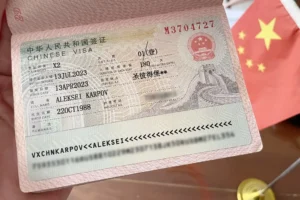
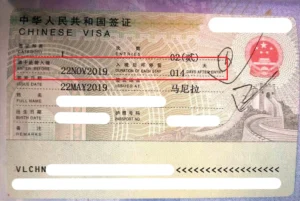
- Visa: Hold a valid Chinese visa (sticker visa; China currently does not offer e-visas). If transiting without a visa (144-hour policy), you will need to prepare a flight ticket to a third country.
- Itinerary: Print out your round-trip ticket confirmation. This is the strongest evidence that you will return to the Philippines.
- Proof of accommodation: Print out the hotel reservation or the address information of the person inviting you to come to China.
The procedures at major international airports in the Philippines (such as NAIA in Manila) are as follows:
STEP 1:Entry & Initial Check
At the entrance, security personnel may ask to see your passport and same-day flight ticket information (a mobile electronic copy is acceptable).
Only passengers with same-day departure tickets are allowed to enter the departure hall.
STEP 2: Check-in Counter
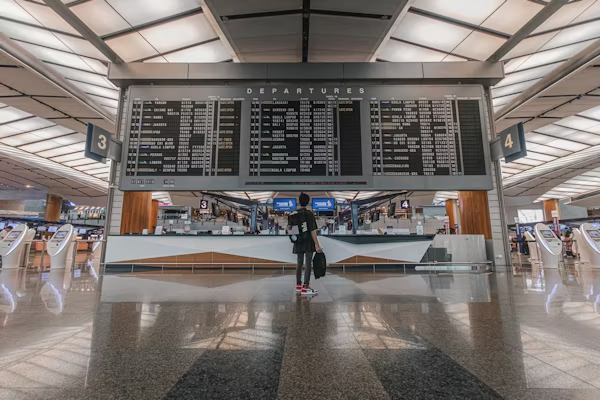
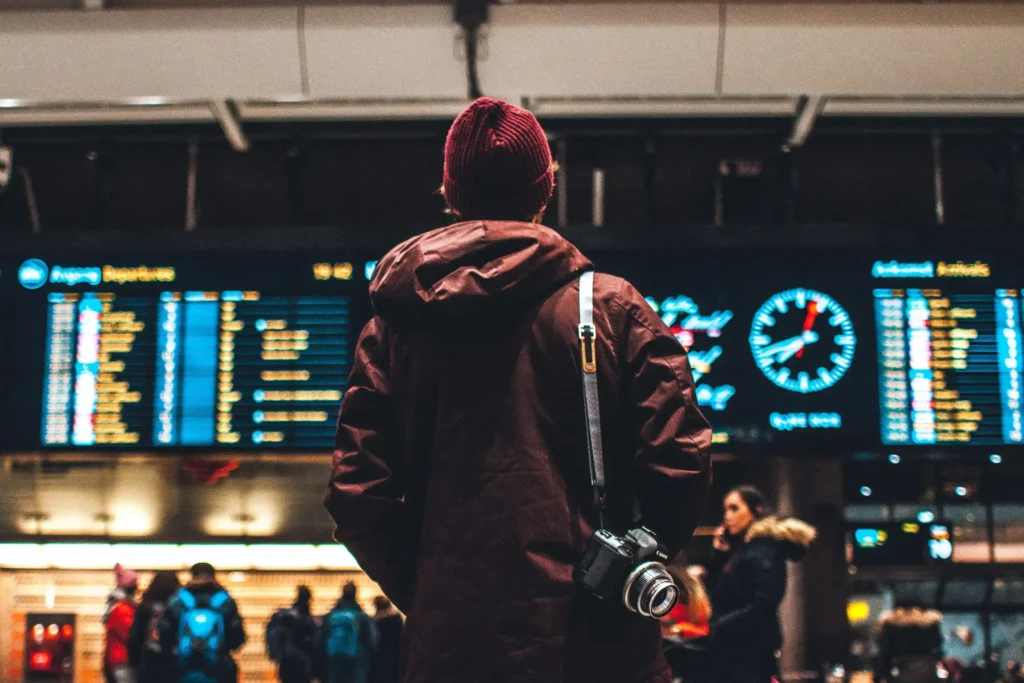
- Find the counter: Look at the Departures Screen and find the corresponding airline counter based on your flight number.
- Queue Preparation: Prepare your passport and visa pages.
1. Philippine Travel Tax: If this tax (approximately PHP 1,620) was not included in your ticket, you will need to pay it at a designated “Travel Tax Counter” or directly at some airline counters.
2. Keep your receipt: Immigration officers may need to see it.
3. Baggage: Ensure your luggage is within weight limits. Remove lithium batteries/power banks and carry them with you.
- Get your boarding pass: After receiving your boarding pass, carefully check your name, flight number, gate, and boarding time.
STEP 3: Immigration / Bureau of Immigration
This is the most tense point of departure from the Philippines. Officials have the authority to prevent any traveler they deem a risk of “illegal employment” or “human trafficking” from leaving the country.
- Queuing: Holders of foreign passports should use the “Foreign Passport” lane, and holders of Filipino passports should use the “Filipino Passport” lane.
- Document Submission: Submit your passport and boarding pass.
- Interview Q&A:
1. Attitude: Stand straight, smile, and make eye contact. Don’t be nervous; nervousness can be perceived as insecurity.
2. Principles: Answer questions one at a time. Don’t offer information not asked for, and don’t launch into lengthy explanations.
3. Frequently Asked Questions:
“Where are you going?” -> “Shanghai, China.”
“What is the purpose of your travel?” -> “Tourism” / “Business Meeting” / “Visiting Family”.
“How long will you stay?” -> “5 days.”
“Who are you traveling with?” / “Who is sponsoring you?”
……….
4. Supporting documents: If the officer asks further questions, immediately present the prepared supporting documents (see “Immigration Survival Kit” below).
STEP 4: Security Check
After passing through immigration, proceed to the security checkpoint. Remove your shoes and belt, and take out your laptop, tablet, umbrella, and all metal items, placing them in the basket. Ensure your carry-on liquids do not exceed 100ml.
After passing through, organize your belongings and retrieve your passport and boarding pass.
STEP 5: Waiting & Boarding
- Find your gate: Follow the gate number on your boarding pass.
- Secondary confirmation: Airport screens may temporarily change your gate number; check the screen every 15 minutes.
- Boarding: After hearing the announcement, queue to show your boarding pass and passport.
- Seats: Find your seat, fasten your seatbelt, and prepare for takeoff.