Home > Posts > CORRECT VISA THAT APPLIES ON YOUR SITUATION

CORRECT VISA THAT APPLIES
ON YOUR SITUATION

 There is no single visa that applies to every situation. Visa requirements are highly specific and depend on multiple factors.

The “correct visa” is determined by the intersection of who you are (Nationality ), where you’re going (Destination Rules )

and why you’re going (Purpose Of Travel ).

There is no universal visa – careful research and proper knowledge are essential for compliance and successful entry.

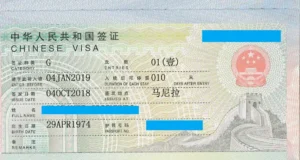
A visa type in a Chinese visa application has many kinds.

Table of Contents

number-1

Identify or define your purpose of travel

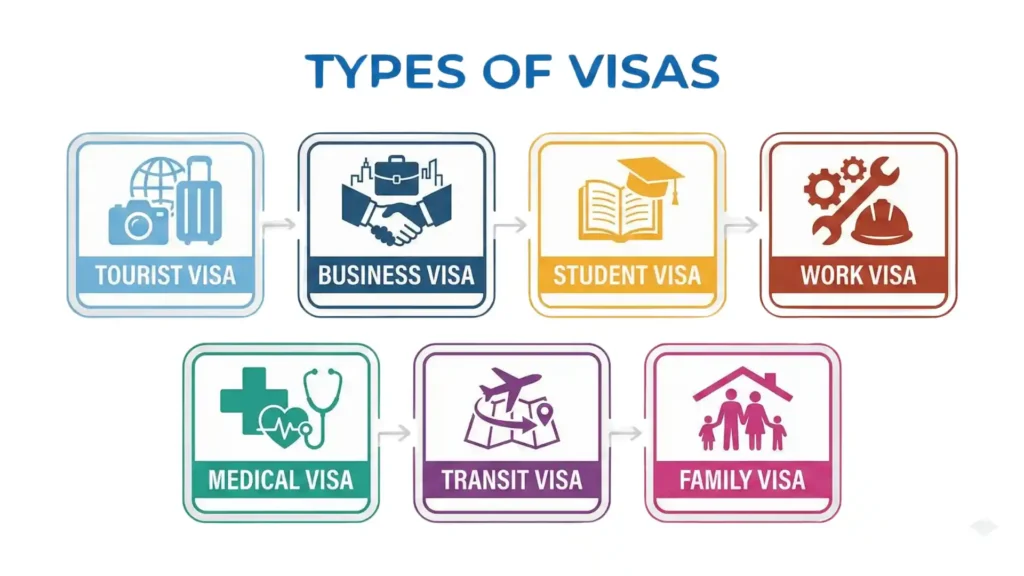
Tourist visa type in a Chinese visa application

 TOURIST VISA OR L VISA  (Travel/Leisure Visa) 🏖️ 

🔍 DEFINITION AND PURPOSE 
    A short-term visa for individuals traveling for recreation, sightseeing, cultural experiences, or personal leisure with no intention to work, study, or reside permanently.

👤 WHO SHOULD APPLY 
     1. Vacationers, backpackers, cruise passengers
     2. Attendees of non-business events (weddings, festivals, concerts)
     3. Medical tourists seeking short-term treatment
     4. Transit travelers with layovers >24 hours requiring airport exit 

Work visa type in a Chinese visa application

  WORK VISA OR Z VISA  (Employment Visa) 💼

🔍 DEFINITION AND PURPOSE 
   A visa permitting foreign nationals to legally engage in paid employment within the host country, typically tied to a specific employer, job role, and contract duration.

👤 WHO SHOULD APPLY 
    1. Professionals with job offers from foreign companies
    2. Skilled workers (IT, engineering, healthcare, teaching)
    3. Intra-company transferees
    4. Seasonal/agricultural workers (country-specific programs)

Study visa type in a Chinese visa application

STUDENT VISA OR X VISA  (Academic Visa) 🎓

🔍 DEFINITION AND PURPOSE
    A visa permitting foreign nationals to enroll in and attend accredited educational institutions (schools, universities, language programs) in the host country.

👤 WHO SHOULD APPLY 
    1. Degree-seeking students (bachelor’s, master’s, PhD)
    2. Exchange program participants
    3. Language course students (if the course exceeds the tourist visa duration)
    4. Vocational/trainee program attendees

Visit visa type in a Chinese visa application

VISIT VISA OR S VISA  (RELATIVES/Friend Visit Visa) 👨‍👩‍👧‍👦

🔍 DEFINITION AND PURPOSE 
   A visa for visiting relatives, friends, or acquaintances residing legally in the host country. Focus is on personal, non-commercial visits.

👤 WHO SHOULD APPLY 
   1. Visiting parents, children, siblings, or extended family
   2. Attending family events (births, graduations, funerals)
   3. Staying with friends for cultural exchange or short-term hospitality

Family reunion visa type in a Chinese visa application

SPOUSE/PARTNER VISA OR Q VISA (Family Reunification Visa) 💑

🔍 DEFINITION AND PURPOSE
     A visa allowing foreign spouses, registered partners, or fiancé(e)s to join and reside with their partner who is a citizen or legal resident of the host country.

👤 WHO SHOULD APPLY 
    1. Legally married spouses of citizens/permanent residents/work visa holders
    2. Registered domestic/civil partners (in countries recognizing such unions)
    3. Fiancé(e)s planning to marry within the host country (leads to adjustment of status)

Bussiness visa type in a Chinese visa application

BUSINESS VISA or M/ Z J VISA  (Commercial Activities Visa) 🤝

🔍 DEFINITION AND PURPOSE 
    A visa for individuals traveling to engage in legitimate commercial activities that do not constitute local employment, such as meetings, negotiations, market research, or short-term training.

👤 WHO SHOULD APPLY 
    1. Executives attending conferences, trade shows, or client meetings
    2. Consultants providing short-term advisory services
    3. Technicians installing/repairing equipment purchased from their company
   4. Investors exploring business opportunities
   5. Journalists on assignment (some countries require a special media visa)

number-2

Identifying your passport and nationality

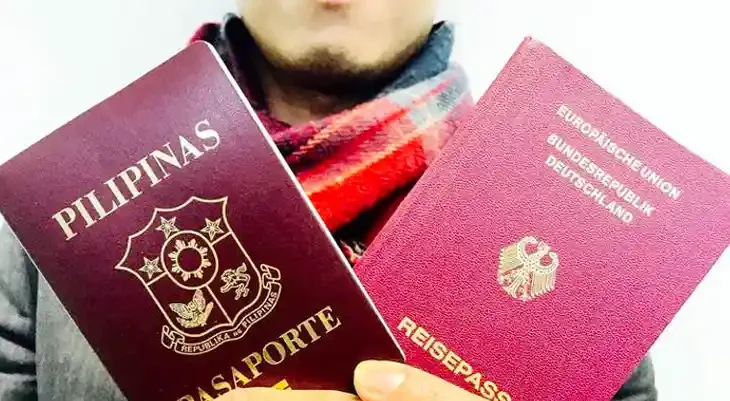
A man holding a Chinese passport and a Philippine passport, can use many visa type in a Chinese visa application


1.) Visa-free access varies dramatically by citizenship. Most countries determine entry privileges based on your nationality or passport, and some nationalities are not included in these lists.

     It is essential to verify your passport details and check if the destination country offers visa-free access for your specific nationality.

2.)Some countries offer a visa on arrival or e visa options for specific nationalities.

number-3

Identifying the destination’s rules

A hammer and wood have "rules" words on it, which means the visa type in a Chinese visa application depends on the purpose.

1)Each country has unique visa categories, names, and requirements, meaning not all the country visa categories are the same; every country has its own requirements that need to be presented and passed in applying for a visa.

2.) Always check the official embassy or government immigration website for your destination. Check it carefully and think if some of it can be applied based on your situation.

1. BEFORE YOU APPLY

  • Identify exact visa type – don’t guess; check embassy website or call consular section
  • Check processing times – apply early, especially for peak seasons
  • Gather documents meticulously – incomplete applications = delays or refusals
  • Use official channels only – avoid unauthorized agents; verify accreditation
  • Prepare for interviews – practice clear, honest answers about your travel purpose

2. DURING APPLICATION

  • Submit clear, high-quality copies – blurry scans get rejected
  • Translate documents using certified translators; include translator’s credentials
  • Keep originals safe – you may need to present them at an interview or border
  • Track your application – use the reference numbers provided by the embassy/visa center

3. AFTER APPROVAL

  • Verify visa details: name spelling, dates, entries, annotations.
  • Carry supporting documents when traveling – border officers may ask for some additional documents.
  • Respect visa conditions – overstaying or violating terms will lead to  future bans.
  • Note expiration dates – set reminders for renewals or departures. 
number-4

Common Mistakes to Avoid

  •  Using a business visa to “test the market” while secretly job-hunting violates the terms in most countries.
  • Assuming a business visa allows remote work from home employers while abroad, some countries now restrict this.
  • Submitting generic invitation letters – consulates want specific details: who, what, when, where, and why.
  • Not declaring previous visa refusals or immigration violations – always answer truthfully.   

'' Immigration laws change frequently. Always consult the official government immigration website of your destination country for the most current, authoritative information. When in doubt, contact the embassy or a licensed immigration attorney."

You may also like

Foreigner's visitng one of the famous tourist spot in china

CHINA TRAVEL TIPS FOR FOREIGNERS

If you’re visiting or staying in China as a foreign national, your trip will run much smoother if you focus on three essentials:

digital preparation, legal compliance, and cultural etiquette.

As of early 2026, China has significantly expanded its visa-free entry program, making travel easier for citizens of many countries.

Read More »
The wooden block with the words "SCAM," suggesting a visa scam involving fake visa in Chinese visa applications.

VISA SCAMS PEOPLE ENCOUNTER​

With the acceleration of digitalization, phishing websites and fake agents have become more rampant and difficult to distinguish. For applicants for Chinese visas, Chinese embassies and consulates abroad typically do not directly handle the receipt and payment of ordinary visa applications.They authorize specific visa application service centers (such as VFS Global, BLS, etc.).This is the most crucial point in identifying scams.

Read More »
place in china with many people on it ,symblolizing the population of china and their kind of living

CHINA’S WAY OF LIVING

China’s lifestyle blends ancient traditions with hyper-modern innovation.

Here’s an authentic look at how people live, work, and connect in China today:

Read More »
A first-time applicant was looking up China visa advices when submitting visa application; the word "visa" was on the phone.

FIRST-TIME CHINA VISA GUIDE​

For first-time visa applicants, the process can be daunting due to unfamiliarity with consular procedures and the high stakes of the interview.

Below are common topics and specific situations frequently encountered by first-timers, along with strategies to handle them effectively in 2026.

Read More »
A person holding a boarding pass for international travel can show it to immigration officials.

INTERNATIONAL BOARDING PASS​

A boarding pass is more than just an “admission ticket”;

In international travel, it’s your legal proof of passage through immigration, customs, and security.

For first-time international travelers, the abbreviations and codes on the boarding pass can seem like gibberish.

This article will break it down line by line, supplementing your understanding of hidden information and common misconceptions about international travel.

Read More »
A person is applying for a Chinese visa, but doesn't know how to fill in the number of entries—single, double, or multiple.

SINGLE , DOUBLE AND MULTIPLE ENTRY VISA

If you’re planning to go to China soon or to another country, there are many types of entry options available. 

you should decide how many entries you want to apply for and how much you want 

to stay in China, if you’re planning to go to China or  in that country  just once, or go back again, or go back every time,

without needing to apply for a visa again.

Read More »
working, but didn't have a certificate of employment to get a Chinese visa application

WORKING BUT DON’T HAVE CERTIFICATE OF EMPLOYMENT

In the Philippines, many companies (especially family businesses, startups, or those in the informal sector)do indeed lack standard HR procedures for issuing a Certificate of Employment (COE).

For Chinese visa applications, the key is to use “government filing documents” and “fund flow records” instead of “company letters.”The visa officer isn’t looking for a piece of paper; they’re looking for a “stable income stream” and “ties to your home country.”As long as you can prove your money was earned legally and that you have inescapable responsibilities in the Philippines,you can get a visa even without a Certificate of Employment (COE).

Read More »
Scroll to Top

To reset your password, please enter your email address or username below.

Announcement

          The online visa application management system on the account terminal is currently undergoing updates. Business is temporarily being conducted offline. We will reopen the online application system once the system is updated and complete.

          We sincerely apologize for any inconvenience caused.

Published: March 29, 2026