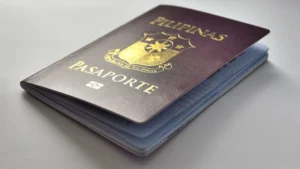
Home > Posts > SINGLE , DOUBLE AND MULTIPLE ENTRY VISA

SINGLE, DOUBLE
AND MULTIPLE ENTRY VISA

If you’re planning to go to China soon or to another country, there are many types of entry options available. 

You should decide how many entries you want to apply for and how much you want 

to stay in China, if you’re planning to go to China or are in that country  just once, or go back again, or go back every time,

without needing to apply for a visa again.

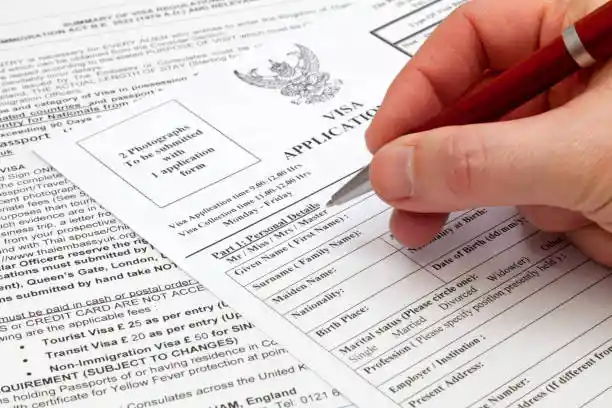
A person is applying for a Chinese visa, but doesn't know how to fill in the number of entries—single, double, or multiple.

Table of Contents

number-1

SINGLE ENTRY

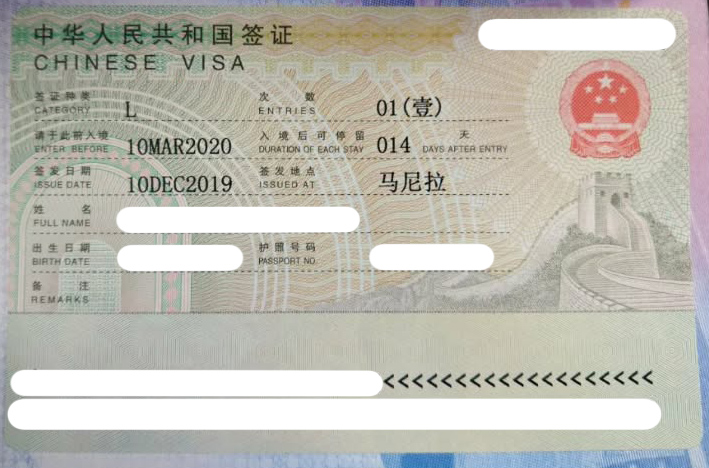
Chinese visa with a single entry for tourist visa

          A Single Entry Visa represents the most fundamental and restrictive category of travel authorization, granting the holder one – time permission to enter the destination country within a specified validity period.

          Once the visa holder crosses the border and completes immigration formalities, the visa is considered “activated”; however, if the holder exits the country for any reason – including transit to a third destination – the visa automatically becomes void, regardless of whether the authorized duration of stay has expired.

           This means that re-entry would require applying for and obtaining an entirely new visa, even if the original visa’s validity period has not yet elapsed.   

  • THE GOLDEN RULE – Once you exit the country (pass through immigration control to leave), the visa is immediately considered “used” and void, even if the expiration date printed on the visa sticker is still months away

  • RE – ENTRY – You cannot use this visa to return. If you leave, you must apply for a brand new visa to come back.

        WHO SHOULD GET A SINGLE-ENTRY VISA?  

  • First-time travelers to a specific country who have a straightforward itinerary (Fly in -Tour -Fly out).

  • Budget travelers looking to save on visa fees.

  • Travelers with weak passport profiles who might get rejected for a multiple-entry visa but are approved for a single one.

  • Specific short-term purposes: Attending a single conference, a one-time medical procedure, or a specific family event.

          Bottom Line: A Single Entry Visa is perfect for a simple “Point A to Point B” trip. If there is any chance you might hop across a border and come back, pay the extra fee for a Multiple Entry Visa to avoid disaster.


number-2

DOUBLE ENTRY

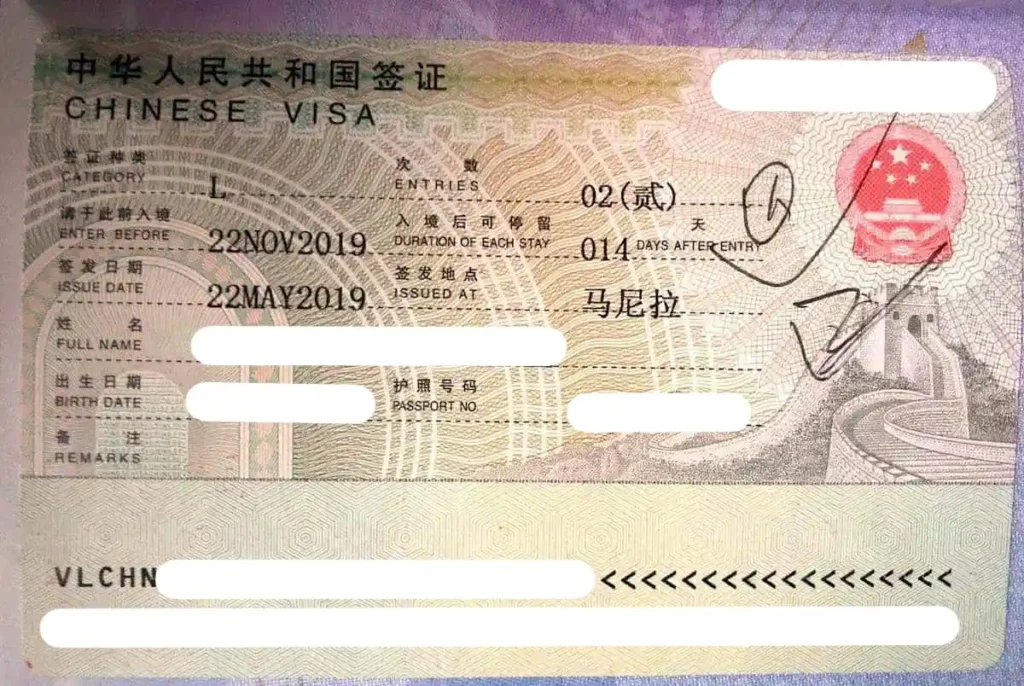
A tourist visa for double entries to China

          A Double Entry Visa is a specific type of travel authorization that allows the holder to enter the destination country exactly two times within the visa’s validity period. It sits in the middle ground between the restrictive single-entry and the flexible multiple-entry visas. It is designed for travelers who have a specific need to leave and return once during their trip.

          1. ENTRY COUNT – You can cross the border into the country two separate times.

          2. THE LIFE CYCLE :

  • FIRST ENTRY – You enter the country. The visa is now “active” with 1 entry remaining before it expires.
  • EXIT – You leave the country (for any reason). The visa remains valid.
  • SECOND ENTRY – You re-enter the country. The visa is now “active” with 0 entries remaining(need to get into China within the visa’s valid date).
  • FINAL EXIT – Once you leave the country after this second stay, the visa is permanently expired, even if the printed expiration date is still in the future.

          3. Bottom Line: If your travel itinerary involves leaving the country and coming back exactly once, a Double Entry visa is the perfect, cost-efficient choice. However, if there is even a small chance you might need to leave a second time (or if the price difference between Double and Multiple is small), it is often safer to opt for the Multiple Entry visa to avoid being stranded.

number-3

Multiple Entry

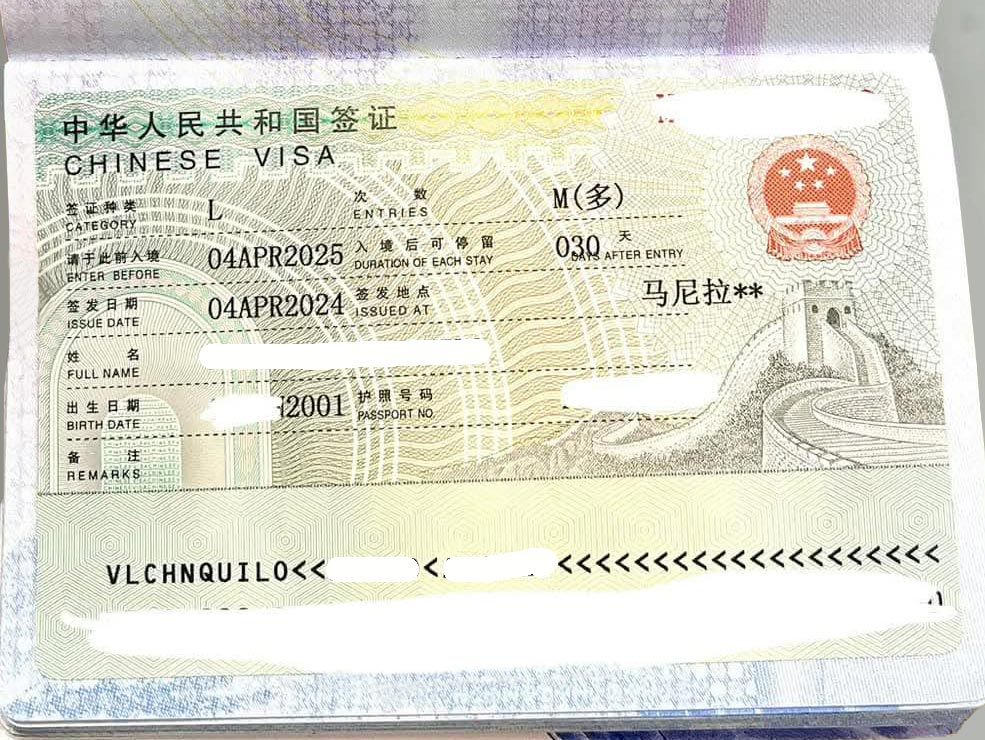
A tourist visa for multiple entries to China

          A Multiple Entry Visa is the most flexible and powerful type of travel visa. It allows the holder to enter and exit the destination country an unlimited number of times while the visa remains valid. Think of it as a “season pass” or a “membership card” for a specific country, whereas Single and Double entry visas are like “single-use tickets.”

1. UNLIMITED ACCESS – You can cross the border into the country as many times as you want.

2. VALIDITY PERIOD – The only limit is the expiration date of the visa itself (e.g., 1 year, 5 years, 10 years). Once that date passes, the visa is dead.

3. DURATION OF STAY – While entries are unlimited, the time you can stay per visit is usually capped (e.g., “max 90 days per entry”). You must leave before this limit expires, but you can come back the next day if you wish.

          WHO NEEDS A MULTIPLE-ENTRY VISA?

  • BUSINESS TRAVELERS – Who have recurring meetings, projects, or clients in the country.
  • PEOPLE WITH FAMILY ABROAD – Who visit parents, children, or spouses frequently.
  • DIGITAL NOMADS /REMOTE WORKERS – Who may need to leave and re-enter for “visa runs” (though some countries specifically ban this practice now, so check local laws).
  • REGIONAL TOURISTS – Travelers based in a neighboring country who want to take multiple short trips across the border.
  • TRANSIT TRAVELERS – Those who frequently layover in a country and need to step out of the airport.

          Bottom Line: If you are unsure whether you will need to leave the country and come back during your trip, always apply for a Multiple Entry visa if available. The small extra cost saves you from being stranded outside the border or having to rush a new application while traveling.

“KNOW HOW MUCH YOU WANT TO COME BACK AND MAKE SURE YOU CHOOSE IT RIGHT . IF UNDECIDED LET OTHERS DECIDE IT FOR YOU “


          If you are applying for a visa and the form asks for “Number of Entries Requested,” always ask for Multiple Entry if you think there is even a 1% chance you might need to leave and return (e.g., for a side trip to a neighbor, a family emergency, or a change in flight plans).

          The peace of mind is usually worth the small extra fee or documentation effort. Many embassies will simply grant Multiple Entry by default if you qualify, even if you only asked for Single.

You may also like

place in china with many people on it ,symblolizing the population of china and their kind of living

CHINA’S WAY OF LIVING

China’s lifestyle blends ancient traditions with hyper-modern innovation.

Here’s an authentic look at how people live, work, and connect in China today:

Read More »
working, but didn't have a certificate of employment to get a Chinese visa application

WORKING BUT DON’T HAVE CERTIFICATE OF EMPLOYMENT

In the Philippines, many companies (especially family businesses, startups, or those in the informal sector)do indeed lack standard HR procedures for issuing a Certificate of Employment (COE).

For Chinese visa applications, the key is to use “government filing documents” and “fund flow records” instead of “company letters.”The visa officer isn’t looking for a piece of paper; they’re looking for a “stable income stream” and “ties to your home country.”As long as you can prove your money was earned legally and that you have inescapable responsibilities in the Philippines,you can get a visa even without a Certificate of Employment (COE).

Read More »
A map with a notebook and a pen is on the table; this person is preparing an itinerary for a Chinese visa application.

HOW TO MAKE ITINERARY ?​

China Travel Itinerary: How to Craft a Winning Plan
Regarding the itinerary section that many clients have inquired about, we have emphasized the core pain point of “how to deal with inquiries from the immigration authorities.” For travelers to China, a logically sound and detailed itinerary is the most powerful weapon to prove a “pure tourism purpose” and avoid being offloaded.
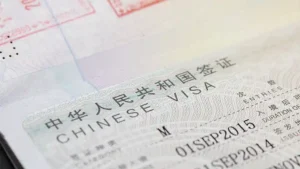
Read More »
m chinese visa or considered as business visa that is release in year 2014

M VISA (BUSINESS VISA)

The M Visa (often called the “Business Visa”) is designed for professionals and entrepreneurs.

Those who need to visit mainland China for commercial and trade-related activities.

Essentially, if you are traveling to China to conduct business but won’t be “employed” by a Chinese company or

Receive a local salary; this is likely the visa you need.

Read More »
A foreign woman journalist who entered China to work using a J visa in China, holding a camera in the library.

J VISA (JOURNALIST VISA)

The Chinese J visa is a visa category specifically issued to foreign journalists and media workers. Depending on the length of stay and the nature of their work in China, it is divided into the J1 visa (resident journalist) and the J2 visa (short-term reporting journalist).

Read More »
A beautiful view of the Great Wall of China, hints at relevant recommendations in China travel guides.

BEST PLACES TO VISIT IN CHINA

China has so many places you can consider, whether it’s historical or cultural. No matter what aspects you prefer, you will always find your ideal attraction here.
Read More »
Scroll to Top

To reset your password, please enter your email address or username below.

Announcement

          The online visa application management system on the account terminal is currently undergoing updates. Business is temporarily being conducted offline. We will reopen the online application system once the system is updated and complete.

          We sincerely apologize for any inconvenience caused.

Published: March 29, 2026