







Home > Posts > CHINA TRAVEL TIPS FOR FOREIGNERS

CHINA TRAVEL TIPS
FOR FOREIGNERS

If you’re visiting or staying in China as a foreign national, your trip will run much smoother if you focus on three essentials:

digital preparation, legal compliance, and cultural etiquette.

As of early 2026, China has significantly expanded its visa-free entry program, making travel easier for citizens of many countries.

Foreigner's visitng one of the famous tourist spot in china

Table of Contents

number-1

DIGITAL AND FINANCIAL PREPARATION

           China operates as a nearly cashless society. Mobile payments are the standard everywhere—from luxury shopping malls and hotels to small street vendors and local markets. To ensure a smooth trip, you must prepare your digital tools before you arrive.

  • PAYMENT APPS: ALIPAY & WECHAT PAY
        Nowadays, most people prefer to use WeChat or Alipay for transactions. If you find the software relatively cumbersome, you can also prepare cash in advance, which is the safest way, because RMB is still the mainstream currency everywhere in China, and it is illegal for any merchant to refuse RMB banknotes. Foreign credit cards are often not accepted directly by merchants.
     1.) Download Before You Go: Install Alipay and WeChat before your flight.
     2.) Link Your Cards: Both apps now allow you to link international Visa and Mastercard credit cards directly. Verify your identity and set up your payment methods while you still have access to your home phone number and bank.
     3.) Top-Up: While linking cards works for many transactions, having a small balance in the app can be helpful for smaller vendors.
  • INTERNET ACCESS: BYPASSING THE “GREAT FIREWALL”
         China’s internet censorship blocks many popular Western websites and apps, including Google, Instagram, Facebook, WhatsApp, YouTube, and Gmail.
     1.) Option A: VPN (Virtual Private Network): Install a reputable VPN service before you arrive. Many VPN websites and apps are blocked inside China, so it’s hard for you to download them when you are there.
     2.) Option B: International eSIM (Recommended): For a more reliable connection, purchase a China-specific eSIM from providers like Saily, Airalo, or Holafly before your trip. These data plans often route your internet through servers outside of China, automatically bypassing censorship without needing a separate VPN app.
     3.) Important: Do not rely on hotel or public Wi-Fi for accessing blocked sites, as these networks are heavily monitored and restricted. There is a very high probability that you will not be able to access it.
  • NAVIGATION & TRANSLATION: ESSENTIAL TOOLS
         Because Google services are blocked, you cannot rely on Google Maps or Google Translate.
     1.) Navigation: Download Amap (Gaode Maps) or Baidu Maps for accurate navigation. Note that these apps are primarily in Chinese, so familiarize yourself with the icons before you go. Apple Maps works reasonably well in China for English speakers.
     2.) Translation: Download offline language packs in translation apps like Google Translate (before you lose access) or use Chinese apps like Baidu Translate or Youdao.
     3.) Pro Tip: Use the camera/image translation feature in these apps to instantly translate menus, signs, and labels, bridging the significant language gap.
  • QUICK PRE-DEPARTURE CHECKLIST
     1.) Alipay & WeChat Pay installed and verified(or prepare enough cash)
     2.) International Visa/Mastercard linked to payment apps
     3.) VPN installed AND/OR eSIM purchased
     4.) Amap/Baidu Maps downloaded
     5.) Translation app with offline Chinese pack ready.
number-2

LEGAL REQUIREMENTS
AND SAFETY

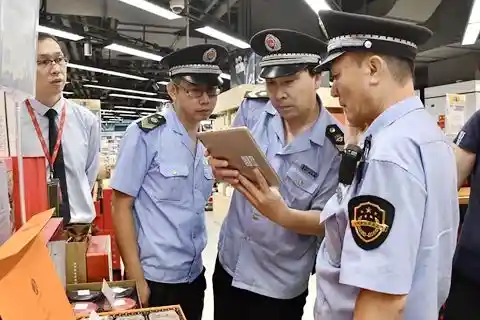
chinese police officer whose checking some information of a person

           Understanding and following local laws is critical for a trouble-free visit. Here is a detailed, easy-to-follow guide to the most important rules for foreign visitors.

  • POLICE REGISTRATION: THE 24-HOUR RULE
          By law, all foreigners must register their place of residence with local police within 24 hours of arrival in a new city.
     1.) Staying at a Hotel?
         You’re covered. Hotels are legally required to register your stay automatically when you check in. Just present your passport at reception—they handle the rest. Keep your registration slip; you may need it later.
     2.) Staying in Private Accommodation? (Airbnb, friend’s home, rental)
         You must register yourself. Within 24 hours of arrival, visit the local police station (paichusuo) with:
     – Your passport + visa page
     – Your host’s ID and proof of residence (e.g., property deed or rental contract)
     – Your accommodation address and contact details
     3.) Tip: Ask your host to accompany you or provide a written note in Chinese with the address and their ID copy to simplify the process.
  • ALWAYS CARRY YOUR PASSPORT (OR A CLEAR COPY)
         Your passport is your primary legal ID in China. You will need it for:
     – Checking into hotels and hostels
     – Buying high-speed train or long-distance bus tickets
     – Entering major attractions (e.g., Forbidden City, Terracotta Army)
     – Police spot-checks (rare but possible)
     1.) Pro Tip: Carry your physical passport when traveling between cities or visiting major sites. For daily local exploration, a color photocopy or photo of your passport + visa page stored on your phone is often acceptable—but always confirm locally. Never leave your passport unattended.
  • ZERO TOLERANCE FOR DRUGS: KNOW THE LAW
        At its peak, Britain supplied China with massive quantities of addictive opium in hopes of gaining more capital. This had a profound negative impact on the Chinese people’s livelihood and economy, leading to two Opium Wars and the signing of a series of unequal treaties, which accelerated China’s decline and are considered by China to be the beginning of a century of national humiliation. This has resulted in China’s current zero-tolerance policy towards opium and other addictive drugs. This directly causes China to enforce one of the strictest drug laws in the world, with no exceptions for foreigners, as these represent a deep-seated national wound.
      – All illicit substances (including cannabis, even if legal in your home country) are illegal.
      – Police may conduct random drug screenings (urine or hair tests) in nightlife areas, bars, or clubs.
      – Penalties are severe: Possession can lead to detention, heavy fines, deportation, and a permanent entry ban. Trafficking charges carry the possibility of life imprisonment or even the death penalty.
     1.) Stay safe: Avoid accepting drinks or substances from strangers, and never carry packages for others.
  • BEWARE OF TOURIST SCAMS
           Friendly strangers near major attractions (e.g., Tiananmen Square, the Bund, Wangfujing) may approach you with enticing offers. Common red flags:
     1.) “Tea Ceremony” or “Art Show” Invite – A polite student or local invites you for “traditional culture,” then leads you to a quiet venue where you’re pressured into paying hundreds or thousands of yuan for low-quality tea or art.
        – Politely decline unsolicited invitations. If interested, research reputable venues in advance and go independently.
     2.) “Closed Attraction” Redirect – Someone claims your intended destination is “closed today” and offers to take you to a “better” alternative (often a commission-based shop).
        – Verify opening hours via official sources or your hotel. Stick to your planned itinerary.
     3.) Fake Monks or Charity Collectors – Individuals in religious attire ask for “donations” and may pressure you for large sums.
         – Legitimate temples do not solicit donations on the street. A simple “no, thank you” (bú yào, xièxie) works.
     4.) Golden Rule: If an offer seems too good to be true—or feels pushy—walk away confidently.Furthermore, try to avoid using services or products recommended by you near airports, train stations, and tourist attractions, as these places are rife with various forms of overpriced products or scams, regardless of the country or region. They even scam locals, let alone foreigners, who are easier to spot.
  • QUICK SAFETY CHECKLIST
     1.) Register with police within 24 hours (hotel does it; private stays: you do it)
     2.) Keep passport (or clear copy) on you at all times
     3.) Zero drugs—no exceptions, no risks
     4.) Trust your instincts: politely decline unsolicited invites near tourist zones
        – Staying informed and prepared isn’t just about following rules—it’s about respecting local culture and ensuring your time in China is safe, smooth, and memorable.
number-3

CULTURAL ETIQUETTE AND DAILY LIFE

a chinese family whose dining together and happily eating together

Small gestures go a long way in China. Understanding local customs shows respect, helps you connect with people, and avoids awkward moments. Here’s your practical guide to everyday etiquette.

  • TIPPING: WHEN NOT TO TIP
    Tipping is not part of Chinese culture—and in many cases, it may be politely refused or even cause confusion.
     1.) Restaurants – No tip expected. Service charges are rarely added. If you receive exceptional service, a small verbal thank you (xièxie) means more than money.
     2.) Taxis & Ride-hails – Round up the fare for convenience, but don’t add 10–20% like in Western countries.
     3.) Hotels – Bellhops or concierge staff may accept a small tip  for extra help, but it’s optional—not obligatory.
     4.) Tour Guides – For private or multi-day tours, a modest tip is appreciated but not required.
    Rule of thumb: When in doubt, don’t tip. A sincere smile and thank you are always welcome.
  • DINING CUSTOMS: RESPECT AT THE TABLE
    Chinese dining is deeply symbolic. A few simple gestures show you understand the culture.
    • Chopstick Etiquette
      – Never stick chopsticks upright in rice — this resembles incense burned for the deceased and is considered very unlucky.
      –  Don’t tap bowls with chopsticks or point at people with them.
      – Rest chopsticks on the holder or across your bowl when not in use.
    • Tea Culture & Gratitude
      – When someone refills your tea, gently tap two fingers on the table (index + middle finger) as a silent “thank you.” This tradition dates back to imperial times.
      – If pouring tea for others, fill cups ~70% full—overfilling can seem rushed or impolite.
    • Shared Meals
      – Dishes are usually served family-style. Use the public chopsticks or spoons provided to serve yourself.
      – It’s polite to try a bit of everything and compliment the host: “Zhēn hǎo chī!” (Really delicious!).
  • PUBLIC RESTROOMS: BE PREPARED
    Public facilities vary widely—especially outside major hotels and malls.
     1.)Squat toilets are common in parks, train stations, and older buildings – Practice the stance beforehand; hold onto rails for balance.
    2.) Toilet paper often not provided (even in some malls) – Always carry a small pack of tissues or pocket paper.
    3.) Soap/hand dryers may be missing – Bring travel-sized hand sanitizer or wet wipes.
     4.) Stall doors may lack full locks – Use the foot-bolt or slide lock carefully; a “occupied” sign may be a simple red/green indicator.
     Pro Tip: Look for restrooms in upscale hotels, department stores, or international chains (Starbucks, McDonald’s)—they’re more likely to have Western-style toilets and supplies.
  • SOCIAL INTERACTIONS: RESPECT & DISCRETION
    Building rapport in China values humility, harmony, and face (miànzi).
      • The Two-Hand Rule
        – When giving or receiving business cards, gifts, money, or important items, use both hands—and take a moment to look at the item respectfully.
        – This small gesture signals sincerity and respect, especially with elders or in formal settings.
      • Conversation Guidelines
        Safe & Welcome Topics: Food, travel, family (generally), culture, technology, positive observations about China.
        Avoid in Public or Online:

    Chinese people are relatively conservative, and discussing these topics as a foreigner may lead to misunderstandings or other unnecessary trouble.
    – Politics, Taiwan, Tibet, Xinjiang, or historical controversies
    – Criticizing government policies or leaders
    – Overly personal questions (salary, age, marital status) early in a relationship

      • Reading the Room
        – Loud arguments or public confrontations cause loss of “face” for everyone involved. Stay calm, speak softly, and resolve issues privately.
        – A gentle “Maybe we can discuss this later?” is often more effective than direct disagreement.
number-4

TRAVEL AND LOGISTICS

hogh speed train, it's popular in china and its more convenient for locals to travel by train.

           Getting around China is efficient and affordable—but a few local quirks require preparation. Here’s your clear, practical guide to staying safe, healthy, and on schedule.

  • HIGH-SPEED RAIL: THE SMART WAY TO TRAVEL BETWEEN CITIES
         China’s high-speed rail network is the world’s largest—and often faster, cheaper, and more reliable than flying for distances under 1,000 km.
     1.) Why Choose the Train?
      – City-center to city-center travel (no long airport transfers)
      – Punctual departures (delays under 5 minutes are rare)
      – Spacious seats, power outlets, clean restrooms, and dining cars
      – Scenic views of the countryside, mountains, and rivers
     2.) Pro Tips:
      – Your passport is your ticket—you’ll scan it at entry gates and on the train. Paper train tickets have been completely abolished in China after October 1, 2025.
      – Choose “Second Class” for great value; “First Class” for extra legroom.
      – Download your e-ticket screenshot—cell service can be spotty in tunnels.
  • TRAFFIC SAFETY: STAY ALERT ON STREETS & SIDEWALKS
         Road culture in China differs significantly from Western norms. Pedestrians do not automatically have the right of way.
     Key Hazards to Watch For:
      1.) Vehicles not yielding – Red-light turns and unmarked crosswalks are common
       – Always wait for a clear gap—don’t assume drivers see you. Use overhead bridges or subways when available.
      2.)  Silent e-scooters & e-bikes – Often ride on sidewalks, bike lanes, or against traffic—without warning
       – Look left, right, and behind before stepping off curbs. Keep headphones at low volume.
      3.) Buses pulling in suddenly – Bus stops may lack platforms; doors open into bike lanes
       – Stand back from the curb; let passengers exit before boarding.
       4.) Rainy weather – Roads get slick; visibility drops; umbrellas block views
       – Wear bright or reflective clothing; allow extra travel time.
           Golden Rule: Assume you are invisible to vehicles. Make eye contact with drivers before crossing, and walk confidently—but cautiously.
  • TAP WATER: NEVER DRINK IT DIRECTLY
         Tap water in China is not safe to drink untreated, even in major cities. This applies to brushing teeth, making ice, and rinsing fruit.
     Safe Water Practices:
      1.) In your hotel room – Use the electric kettle to boil water for 1–2 minutes before drinking or brushing teeth. Most hotels provide complimentary bottled water daily—check your room.
      2.) Outside – Buy sealed bottled water from convenience stores (Look for brands like Nongfu Spring, C’estbon, or Evian). Check the seal is intact.
      3.) At restaurants – Request kāishuǐ (boiled water) or bottled water. Avoid ice in drinks unless you’re sure it’s made from purified water.
      4.) Washing fruit/vegetables – Rinse with bottled or boiled (then cooled) water—or peel when possible.
           Bonus Tip: Carry a reusable bottle with a built-in filter (e.g., LifeStraw or Grayl) for extra peace of mind during day trips.
  • QUICK DAILY CHECKLIST
     1.) Book train tickets early via 12306 APP or website; keep passport handy
     2.) Cross streets deliberately—watch for silent e-bikes
     3.) Drink only boiled or sealed bottled water
     4.) Keep tissues + hand sanitizer in your day bag (for restrooms & hygiene)

""Preservation of one's own culture does not require contempt or disrespect for other cultures, and Strength lies in differences, not in similarities"

You may also like

A foreign woman journalist who entered China to work using a J visa in China, holding a camera in the library.

J VISA (JOURNALIST VISA)

The Chinese J visa is a visa category specifically issued to foreign journalists and media workers. Depending on the length of stay and the nature of their work in China, it is divided into the J1 visa (resident journalist) and the J2 visa (short-term reporting journalist).

Read More »
The dice have the letters "advice," implying that travel advice is offered to traveler holding China tourist visa.

ADVICE FOR SOLO TRAVELER HOLDING TOURIST VISA

Traveling solo on a tourist visa is an incredible experience, but it comes with unique scrutiny.

Immigration officers are trained to spot individuals who might be planning to work illegally or overstay.

And solo travelers can sometimes look more “vulnerable” or “suspicious” than families or groups if not prepared.


Read More »
a girl who seems problematic about something , she is headache about how to handle the chinese visa error.

CHINESE VISA ERROR: WHAT TO DO

If you notice any incorrect information on your Chinese visa—such as a misspelled name, wrong passport number,

incorrect visa type, inaccurate validity dates, or the wrong number of entries—do not travel with it.

Even small mistakes can lead to denial of entry, fines, or deportation.

Read More »
Foreigner's visitng one of the famous tourist spot in china

CHINA TRAVEL TIPS FOR FOREIGNERS

If you’re visiting or staying in China as a foreign national, your trip will run much smoother if you focus on three essentials:

digital preparation, legal compliance, and cultural etiquette.

As of early 2026, China has significantly expanded its visa-free entry program, making travel easier for citizens of many countries.

Read More »
A couple holding their baggage at the airport before their travel, offering travel advices to others.

HAND CARRY AND CHECK IN BAGGAGE , WHICH ONE IS BETTER ?

This post takes into account the unique characteristics of the China-Philippines route (such as the high proportion of low-cost carriers, strict security regulations, and climate differences between the two countries) to provide you with more practical decision-making references.

Read More »
Scroll to Top

To reset your password, please enter your email address or username below.

Announcement

          The online visa application management system on the account terminal is currently undergoing updates. Business is temporarily being conducted offline. We will reopen the online application system once the system is updated and complete.

          We sincerely apologize for any inconvenience caused.

Published: March 29, 2026