





THE FUTURE OF VISA SYSTEMS: DIGITALIZATION
The visa digitalization process is fundamentally transforming international mobility from a bureaucratic hurdle into a seamless, data-driven component of global travel infrastructure.
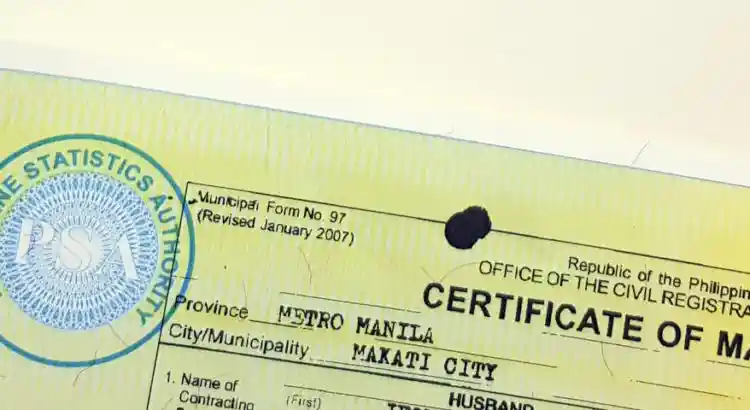
The process involves authenticating your Philippine marriage certificate so it can be legally recognized and used for
official purposes in China, such as visa applications, residency permits, property transactions, or legal proceedings.
Your marriage performed legally in the Philippines is valid in China once properly authenticated. You do not need to “remarry” in China.
You’ll need an authenticated marriage certificate for:
Chinese authorities require all foreign documents to be translated into Chinese by a certified translation agency.
Translation must include:
Use the Authenticated Package in China
Submit the following together when applying for visas, residence permits, or other official purposes:
A.)For Q1/Q2 Spouse Visa Applications
B.)For Residence Permit (Family Reunion) in China
C.)For Legal/Property Matters
Special Scenarios:
A.)Filipino + Chinese Citizen Married in the Philippines
B.)Previously Married? Provide Proof of Termination
If either spouse was previously married:
Pro Tip: Requirements can vary slightly by city or bureau. Always call the specific office (Visa Center, PSB, Civil Affairs) where you plan to submit documents to confirm their current checklist before traveling or mailing documents.
"NO MATTER WHICH PLACE IT IS , LOVE WILL FIND ITS OWN WAY "
Confluence-International
Final Note: While China does not “re-register” foreign marriages, a properly authenticated Philippine marriage certificate is fully recognized for immigration, legal, and administrative purposes. The Apostille system (since the Philippines joined the Hague Convention) has significantly streamlined this process. Start early, use certified services, and keep digital + physical copies of all authenticated documents for future use.
Regulations may change. Always verify current requirements with official Chinese authorities and the Philippine Embassy/Consulate before proceeding.

The visa digitalization process is fundamentally transforming international mobility from a bureaucratic hurdle into a seamless, data-driven component of global travel infrastructure.

The Z visa is China’s official Work Visa — the mandatory entry visa for foreign nationals who plan to work legally in China.
If you have a job offer from a Chinese employer and plan to work in China for more than 90 days,
You need a Z visa to enter the country legally.

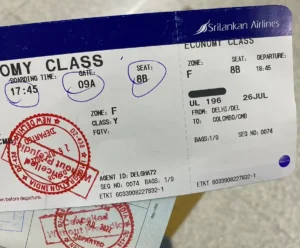
A boarding pass is more than just an “admission ticket”;
In international travel, it’s your legal proof of passage through immigration, customs, and security.
For first-time international travelers, the abbreviations and codes on the boarding pass can seem like gibberish.
This article will break it down line by line, supplementing your understanding of hidden information and common misconceptions about international travel.

Based on official guidance from China’s National Immigration Administration and
Chinese embassies/consulates worldwide, here is the optimal timing strategy for your Chinese visa application:

Using a visa agency (or accredited visa consultant) can be a game-changer for a first-time applicant,
especially given your specific situation (student, boyfriend sponsor, no COE, or business owner).
They act as a bridge between you and the complex, often intimidating, immigration system.

This post takes into account the unique characteristics of the China-Philippines route (such as the high proportion of low-cost carriers, strict security regulations, and climate differences between the two countries) to provide you with more practical decision-making references.

For travelers holding Philippine passports, Hong Kong is not only an air hub connecting the world, but also a popular short-haul holiday destination combining shopping, dining, and theme parks.
Thanks to the relaxed entry policies implemented by the Hong Kong Immigration Department, Philippine citizens enjoy great convenience when traveling to Hong Kong. But this does not mean they can simply “go on a whim” without any preparation.

By 2026, China’s visa system had fully integrated big data risk control and cross-departmental information verification.
For first-time visa applicants, visa officers (VOs) have no prior records to refer to, so they will scrutinize every “unreliable” signal.
Once the following red lines are crossed, the rejection rate approaches 100%, and may even result in a permanent ban from entry.
The online visa application management system on the account terminal is currently undergoing updates. Business is temporarily being conducted offline. We will reopen the online application system once the system is updated and complete.
We sincerely apologize for any inconvenience caused.
Published: March 29, 2026