




Home > Posts > VISA FREE ,VISA ON ARRIVAL AND VISA REQUIRED

VISA FREE,VISA ON ARRIVAL AND VISA REQUIRED

Every country has its own types of visa; some countries don’t require a visa to enter 

Some countries require a visa, and some countries provide a visa on arrival.

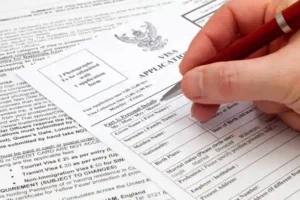
A knowledge infographic about visa-free entry, visa on arrival, and visa-required Chinese visa.

Table of Contents

number-1

VISA FREE

A knowledge infographic about visa-free entry.

          1.  THE CORE MEANING:

  • NO APPLICATION – You don’t need to fill out visa application forms, visit an embassy/consulate, or wait for approval before you fly.
  • NO VISA FEE – You generally do not pay the specific “visa issuance fee” (though you might still pay airport taxes or entry fees).
  • ENTRY AT BORDER -Permission to enter is granted by the immigration officer at the port of entry (airport, land border, or seaport) upon arrival.

          2.  HOW IT WORKS IN PRACTICE:

  • PASSPORT CHECK – You must present a valid passport (usually with at least 6 months of validity remaining).
  • DISCRETIONARY ENTRY – The immigration officer has the final say. They may ask:

             1. What is the purpose of your visit? (Tourism, business, visiting family)
             2. How long are you staying?
            3. Do you have a return ticket?
            4. Do you have proof of funds/hotel booking?

  • STAMP – If approved, they stamp your passport with an entry date and often write a permitted stay duration (e.g., “30 days”).

          3.  COMMON RESTRICTIONS: Visa-free travel almost always comes with conditions:

  • TIME LIMIT -You can usually only stay for a short period (e.g., 14, 30, 90, or 180 days).
  • PURPOSE LIMITATION –It is typically restricted to tourism, business meetings, or transit. You generally cannot work, study long-term, or live there on a visa-free entry.
  • EXTENSIONS – In many countries, you cannot extend a visa-free stay; you must leave and re-enter (if allowed) or apply for a proper visa from outside the country.
number-2

VISA ON ARRIVAL

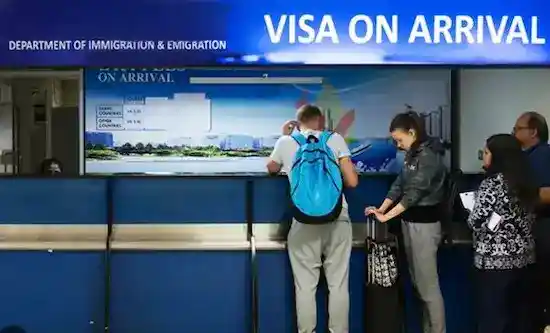
A knowledge infographic about visa on arrival.

          1.  THE CORE MEANING:  No pre-travel application required, but you must apply, pay, and receive the visa at the destination’s port of entry (airport/land border). Bring required documents (photos, cash, itinerary) ready—approval is not guaranteed, and queues may apply.

          2.  HOW IT WORKS :

    • BEFORE TRAVEL – You book your flight and pack your bags without visiting an embassy or waiting for email approval. However, you should check if you are eligible for a visa on arrival based on your passport.
    • UPON ARRIVAL : 

1. You land at the airport.
2. Instead of going straight to immigration/passport control, you go to a specific “Visa on Arrival” counter.
3. You fill out an application form there.
4. You present the required documents (passport, photos, return ticket).
5. You pay the visa fee
6. The officer processes it, sticks a visa label/stamp in your passport, and then you proceed to immigration.

            3.  KEY REQUIREMENTS: Even though you get it upon arrival, you must usually have:

    • PASSPORT VALIDITY -Typically, at least 6 months remaining.
    • BLANK PAGES – At least one or two empty pages in your passport.
    • PHOTOS –  Passport-sized photos (sometimes taken digitally there, but often you must bring them).
    • PROOF OF ONWARD TRAVEL – A confirmed return or onward ticket.
    • FUNDS – Proof you have enough money for your stay.
    • CASH FOR FEE – Many visa on arrival counters only accept cash, so carrying exact change is crucial.
number-3

VISA REQUIRED

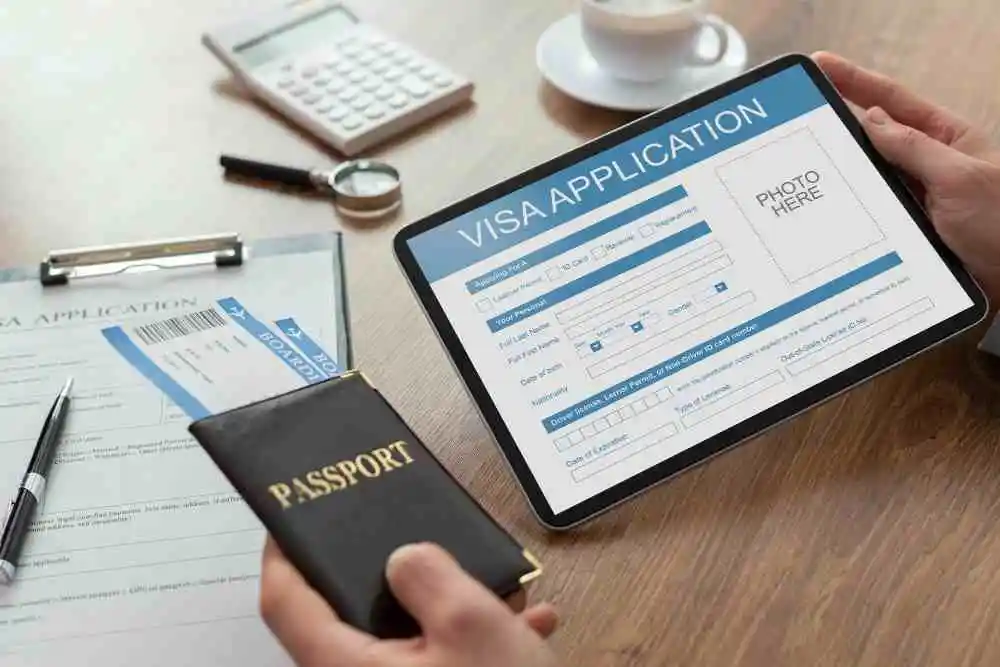
A knowledge infographic about visa-required Chinese visas.

          1.  THE CORE MEANING: “Visa required” means you must obtain official permission – a stamp, sticker, or electronic document from a foreign country’s government before travelling there. This pre-entry document is required for entry into a country for travel, work, or study. Without it, you will generally be denied boarding, entry, or transit. 

          2.  THE CORE PROCESS :

    • STRICT SCRUTINY –The government reviews your background, financial status, and intent to ensure you won’t overstay or work illegally.
    • SPECIFIC PURPOSE –You usually apply for a specific type of visa (e.g., Tourist, Business, Student, Work). You cannot switch purposes easily once there.
    • FIXED VALIDITY – The visa specifies exactly when you can enter, how long you can stay, and how many times you can enter (Single vs. Multiple entry).
    • COST -These are often the most expensive type of entry permission due to processing fees.

             3.  KEY REQUIREMENTS : 

    • PASSPORT VALIDITY: Typically, at least 6 months remaining.
    • VALID VISA: Visa that you applied for (e.g., tourist, business, student, work )
    • OTHER DOCUMENTS: Proof of income (bank statements and bank certificate), proof of relationship (conversation, picture together, etc.)

"Visa-Free = Go.
VoA = Apply when you land.
Visa Required = Apply before you go."


CONCLUSIONS :

  • “Visa-free” removes the bureaucratic hurdle of getting permission before you leave home, but you must still meet entry requirements when you arrive.
  • Always verify specific eligibility for your passport. Just because Country X offers “Visa on Arrival” doesn’t mean your specific nationality qualifies, for example. Always check the official government immigration website before flying.
  • “Visa Required” = Plan Ahead. It is a formal permission slip you must secure before leaving your home country.

You may also like

working, but didn't have a certificate of employment to get a Chinese visa application

WORKING BUT DON’T HAVE CERTIFICATE OF EMPLOYMENT

In the Philippines, many companies (especially family businesses, startups, or those in the informal sector)do indeed lack standard HR procedures for issuing a Certificate of Employment (COE).

For Chinese visa applications, the key is to use “government filing documents” and “fund flow records” instead of “company letters.”The visa officer isn’t looking for a piece of paper; they’re looking for a “stable income stream” and “ties to your home country.”As long as you can prove your money was earned legally and that you have inescapable responsibilities in the Philippines,you can get a visa even without a Certificate of Employment (COE).

Read More »
A young woman is about to embark on an international travel; this is her first solo trip of China travel.

TRAVELLING ALONE

Taking your first solo trip is a liberating experience that offers total freedom over your schedule, pace, and choices.

While it’s natural to feel a mix of excitement and anxiety, proper preparation can turn those nerves into confidence

Read More »
crew member inside the plane, who has a C visa, stewards entertaining the plane passengers.

C VISA (CREW VISA)

The C Visa (Crew Visa) is a specialized Chinese visa category issued exclusively to foreign crew members

engaged in international transportation duties.

Unlike tourist or student visas, the C visa is designed for professionals whose work

involves cross-border travel by air, sea, rail, or road

Read More »
a girl who seems problematic about something , she is headache about how to handle the chinese visa error.

CHINESE VISA ERROR: WHAT TO DO

If you notice any incorrect information on your Chinese visa—such as a misspelled name, wrong passport number,

incorrect visa type, inaccurate validity dates, or the wrong number of entries—do not travel with it.

Even small mistakes can lead to denial of entry, fines, or deportation.

Read More »
A Chinese man and a Filipino woman got married in China and held a wedding ceremony.

TRANSMITTING FILIPINO MARRIAGES TO CHINA

The process involves authenticating your Philippine marriage certificate so it can be legally recognized and used for

official purposes in China, such as visa applications, residency permits, property transactions, or legal proceedings.

Your marriage performed legally in the Philippines is valid in China once properly authenticated. You do not need to “remarry” in China.

Read More »
A man is handwriting an invitation letter for a Chinese visa application.

INVITATION LETTER FOR CHINESE VISA

From “Bridge of Trust” to “Key to Customs Clearance”

An invitation letter serves as a bridge of trust between a traveler and the immigration authorities of the country they wish to visit .

While not always mandatory for every visa type, it is often the most persuasive document in a visa application.

Read More »
a purple backgraound with a word saying "visa extensions " at the center with a passport and an airplane logo on it .

CHINESE VISA EXTENSIONS GUIDE

Based on official guidance from China’s National Immigration Administration (NIA)

and local immigration authorities, here is how to extend your Chinese visa duration of stay:

Read More »
Scroll to Top

To reset your password, please enter your email address or username below.

Announcement

          The online visa application management system on the account terminal is currently undergoing updates. Business is temporarily being conducted offline. We will reopen the online application system once the system is updated and complete.

          We sincerely apologize for any inconvenience caused.

Published: March 29, 2026