The Five Pillars of a Digital Visa Ecosystem
1. E-Visa Platforms
Currently, over 100 countries have launched official e-visa portals. Applicants can fill out forms online and upload scanned passports, photos, and financial documents. They can also make payments securely online. For example, Turkey, India, Australia, and Kenya have fully digitized their visa processes. This has reduced the average processing time to less than 48 hours.
2. Biometric Technology Integration
Technologies like facial recognition, fingerprint scanning, and iris verification are now widely used in visa databases.
In 2024, the European Union’s Entry/Exit System (EES) became fully operational. Under this system, all non-EU citizens must provide biometric data when they first enter the Schengen Area. This data is then linked to their electronic visa records. This measure has greatly improved identity verification accuracy. It also effectively stops passport fraud.
3. AI and Automation
AI algorithms can now automatically detect forged documents. They can also cross-reference international watchlists. The system assesses risk levels based on travel history and completes preliminary eligibility screenings. All of this happens within seconds.
Singapore’s immigration authorities use a “Smart Visa Engine.” This system allows for “instant approval” for low-risk cases. It intelligently routes complex cases for manual review. This significantly enhances overall processing efficiency.
4. Blockchain Security
Estonia, the UAE, and several Caribbean nations are testing blockchain-based visa systems.
Each electronic visa is recorded on a distributed ledger. This record is immutable, meaning it cannot be copied or changed. Even if hackers breach the central server, they cannot forge the visa records. The blockchain keeps them safe.
5. Digital Visas / e-Visas
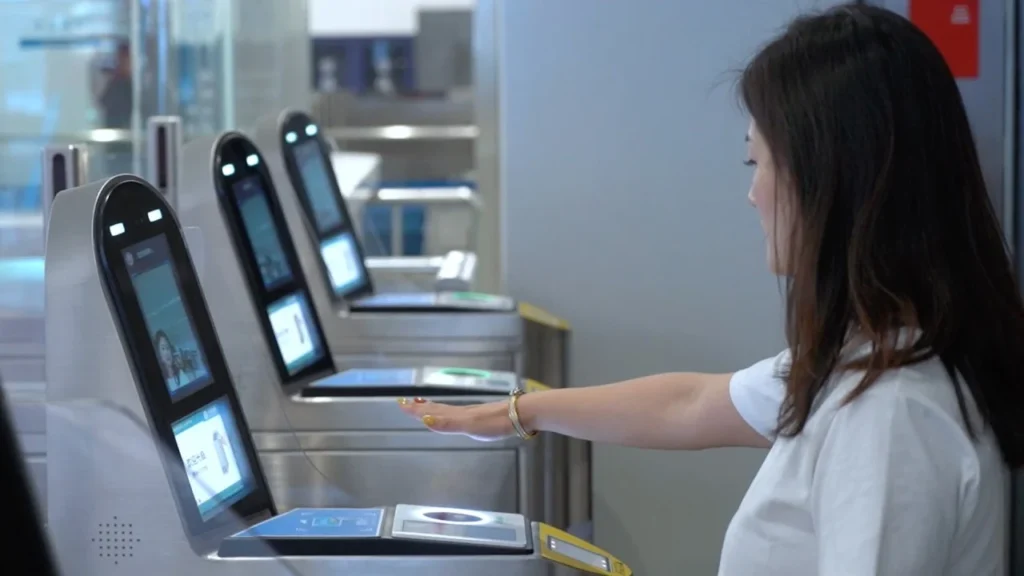
Traditional sticker visas are rapidly fading into history. Replacing them are cloud-based electronic records linked directly to passport numbers. Airline check-in systems and border control gates can retrieve real-time authorization status from immigration authorities—either by reading the passport chip or scanning a QR code—without the need for any physical credentials.
Digital Application Workflow under the 2026 Standards
By 2026, the operational procedures of mainstream electronic visa systems have become highly standardized, typically comprising the following seven steps:
1. Online Account Creation
Applicants visit the immigration portal designated by the target country’s government and register a personal account using an email address or mobile phone number. Some systems also support one-click login via Apple ID, Google Account, or a national digital identity (such as India’s Aadhaar or the EU’s eID).
2. Intelligent Form Filling
The system utilizes OCR technology to automatically extract passport information and pre-populate forms, requiring users only to verify or fill in a few remaining fields. Advanced platforms also feature real-time multi-language translation and error-detection capabilities, thereby minimizing the rate of input errors.
3. Document Upload and Automated Analysis
Users upload supporting materials—such as the passport’s bio-page, passport-style photos, bank statements, and invitation letters. The backend AI instantly analyzes image quality and content completeness, flagging any potential issues (e.g., blurriness, expiration, or formatting inconsistencies).
4. Biometric Data Collection
- Remote Method: Applicable to low-risk categories, such as tourist visas. Applicants record a selfie video or undergo a live facial scan via the official mobile app.
- In-Person Method: Designed for high-security categories, such as student and work visas. Applicants must visit a designated visa center to complete a one-time collection of both fingerprint and facial data; the data is encrypted and subsequently synchronized with the national database.
5. Secure Online Payment
Supports a variety of payment methods, including credit cards, debit cards, and e-wallets (e.g., PayPal, Alipay+). Transactions utilize end-to-end encryption and comply with the international PCI-DSS standard.
6. Automated Review and Decision-Making
- Tier 1 Automated Approval: Low-risk applications that meet all specified criteria are approved by an AI engine within minutes.
- Tier 2 Manual Review: Cases involving discrepancies, complex historical records, or applicants from high-risk regions are routed to an immigration officer’s digital dashboard for manual assessment.
7. Electronic Issuance and Verification
Upon approval, applicants receive an electronic visa notification (PDF) containing a QR code, or their status is updated directly within the digital record linked to their passport. Airport security and border control systems can directly read this digital credential, eliminating the need for a physical stamp.
The Core Advantages of Digitalization
1. A Leap in Speed
Approval cycles that once took weeks—or even months—have now been compressed to mere days, or even minutes, for the majority of travelers. Japan’s “Express E-Visa” program, introduced for specific ASEAN nations, boasts an average issuance time of just eight minutes.
2. Cost Optimization
Governments have drastically reduced expenses related to paperwork processing, record storage, and manual review; applicants are spared the hidden costs associated with postage, transportation, and queuing. According to estimates by the World Tourism Organization (UNWTO), the global digitization of visa processes could save travelers over $3 billion annually.
3. Enhanced Security
Digital records are inherently difficult to forge and can be linked in real-time with global law enforcement databases such as Interpol, the FBI, and Europol. Should an individual’s visa be revoked or a criminal record be detected, the system will immediately block any subsequent applications or attempts to enter the country.
4. Data-Driven Policymaking
National immigration authorities can leverage big data analytics to monitor key metrics—such as traveler flow trends, geographic origins, and length of stay—in real-time. This enables them to dynamically adjust visa fees, visa-waiver lists, or quota strategies, thereby facilitating precise and targeted governance.
5. Revolutionized User Experience
Features such as 24/7 availability, transparent application tracking, mobile compatibility, and multilingual support have made the visa application process as convenient as online shopping. Many platforms also offer intelligent chatbots to provide customer support and answer frequently asked questions.
Challenges and Potential Risks
Despite the promising outlook, comprehensive digitalization still faces multiple obstacles:
1. The Digital Divide
In Sub-Saharan Africa, rural South Asia, and remote regions of Latin America, low internet coverage, insufficient smartphone penetration, and limited digital literacy mean that “online-only application” models risk excluding vulnerable groups and exacerbating inequality.
2. Cybersecurity Threats
Centralized visa databases have become high-value targets for hackers. A notable example is the 2023 data breach at Chile’s Migration Agency: hackers attacked the National Civil Registry and Identification Service of Chile, compromising the data of millions of individuals. Furthermore, reports of breaches involving India’s Aadhaar database surfaced in 2024; India has repeatedly faced news reports regarding information linked to its national identity database being sold on the black market.
3. Privacy Protection Controversies
The large-scale collection of sensitive data—such as facial scans, fingerprints, and travel itineraries—has sparked public concerns regarding the emergence of a “surveillance state.” The European Union’s General Data Protection Regulation (GDPR) strictly limits the retention periods and scope of use for visa-related data, mandating that explicit consent be obtained and that individuals be granted the right to request data deletion.
4. Interoperability Challenges
Digital system architectures vary significantly across different nations, and the lack of unified standards makes information sharing difficult. For instance, the United States and certain allies are currently unable to exchange visa blacklist data in real time, thereby hindering the effectiveness of joint security and control measures.
5. Risks of Algorithmic Bias
If the training data itself contains historical biases (such as disproportionately high visa rejection rates for specific racial or religious groups), AI models may inadvertently replicate—or even amplify—these biases, resulting in systemic unfairness. The Office of the United Nations High Commissioner for Human Rights (OHCHR) and various UN Special Rapporteurs have issued multiple reports warning that the use of artificial intelligence in the public sector—including in border management and visa adjudication—carries inherent risks such as discrimination, a lack of transparency, and a lack of accountability.
Honesty First, Approval Second
Regardless of how technology evolves, the fundamental nature of a visa application remains unchanged: it is a contract built upon trust. Applicants are required to provide information that is truthful, accurate, and complete. Any form of misrepresentation, document forgery, or concealment of facts will significantly increase the likelihood of rejection—and may even result in a long-term ban.
If you feel apprehensive due to language barriers, unfamiliarity with technology, or psychological stress, you are certainly free to enlist the assistance of a professional agency. However, you must ensure that you provide your agent with authentic, original documents; under no circumstances should you instruct them to fabricate information. After all, “Honesty Comes First, Approval Comes Second”—this is not merely a moral principle, but also the most reliable path to a successful visa outcome.
The digitalization of visas is not merely a technical upgrade, but a profound institutional revolution. It is driving a shift in global human mobility—from a “control-oriented” approach to a “service-oriented” one, and from “static approval” toward “dynamic governance.” Over the coming decade, we might witness the emergence of even more forward-looking paradigms, such as “seamless border clearance,” “credit-based visas,” and “interoperable cross-border digital identities.”
However, while pursuing efficiency and security, we must remain vigilant against the misuse of technology, safeguard fundamental rights, and bridge the digital divide. Only in this way can we truly build an open, equitable, and sustainable future for global mobility.